

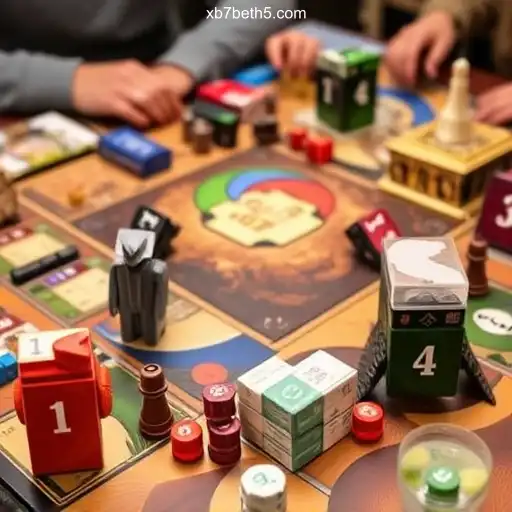
Exploring the World of Tabletop Games
The Rise of Tabletop Games in Modern Culture
Tabletop games have seen a significant resurgence in popularity over recent years. This renaissance can be attributed to a variety of factors, including the nostalgic appeal they possess, as well as the growing desire for more face-to-face social interactions in our increasingly digital world.
The modern era has witnessed an explosion of creativity in the tabletop gaming community. There are now a vast range of games available, catering to different interests and age groups. Whether you're into strategic battles, cooperative adventures, or quick party games, the diversity of options ensures there is something for everyone.
A Brief History of Tabletop Games
The origins of tabletop games can be traced back thousands of years, with historical records indicating their existence in ancient civilizations such as Egypt and China. Early games were simple and often involved the use of dice, stones, or other small objects.
Over time, tabletop games evolved significantly. In the 20th century, games like Monopoly, Risk, and Dungeons & Dragons emerged to become household names. These games introduced complex rules and relied heavily on strategy, which appealed to people seeking more structured forms of entertainment.
Popular Genres and Styles of Tabletop Games
Today's tabletop games are categorized into various genres and styles, each providing unique experiences:
- Strategy Games: These games require players to employ critical thinking and planning. Examples include Settlers of Catan and Terraforming Mars.
- Role-Playing Games (RPGs): RPGs like Dungeons & Dragons allow players to immerse themselves in different characters and expansive worlds.
- Cooperative Games: Players work together to achieve a common goal, as seen in games like Pandemic.
- Party Games: Designed for fun and laughter, these games are great for social gatherings. Examples include Cards Against Humanity and Codenames.
- Deck-Building Games: Players construct custom decks throughout the game, using them strategically to win, as seen in Dominion and Star Realms.
The Social Aspect of Tabletop Games
One of the most compelling reasons for the popularity of tabletop games is their ability to bring people together. In an age dominated by digital communication, these games offer a refreshing change by encouraging face-to-face interaction. Gatherings that center around tabletop games are often filled with laughter, discussion, and shared excitement.
Moreover, tabletop games foster a sense of community. Board game cafes and local game stores frequently host events and tournaments, providing enthusiasts with opportunities to meet like-minded individuals and form lasting connections.
The Influence of Technology on Tabletop Games
Technology has played a dual role in the world of tabletop gaming. On one hand, digital platforms have made games more accessible. Many tabletop games now have digital versions available, allowing players to enjoy their favorite games remotely. On the other hand, technology has fueled interest in traditional tabletop games by creating communities and hubs where players can exchange ideas, strategies, and experiences.
Online platforms like XB7.bet⭐️ ONLINE PLATAFORMA OFICIAL, seu site confiável! provide reliable sites for gamers to explore new games and discuss potential strategies, further enhancing the overall experience. These platforms bridge the gap between digital convenience and the tactile joy of traditional gameplay.
Design and Development of Tabletop Games
Designing a successful tabletop game involves a blend of creativity, storytelling, and strategic planning. Game designers often start with a core concept or theme, gradually expanding it into a comprehensive game with rules, objectives, and mechanics.
Playtesting is a crucial step in the development process. Game designers rely on feedback from playtesters to refine rules and ensure a balanced playing experience. This iterative process often takes months, if not years, to perfect.
The diversity of themes - from fantasy and sci-fi to historical and educational - allows designers to explore a wide range of topics, drawing in players from different backgrounds and interests.
The Future of Tabletop Gaming
As the popularity of tabletop games continues to grow, the future looks promising. Innovations in game design and the merging of digital and physical components promise exciting new developments. The potential for augmented reality to enhance the tabletop experience, providing dynamic game boards or interactive storytelling mechanisms, is particularly intriguing.
Ultimately, tabletop games continue to serve as a testament to the timeless appeal of face-to-face interaction and the joy that comes from shared storytelling and strategic thinking. With communities expanding and technology continually offering new avenues for gameplay, the world of tabletop games is set to keep evolving and inspiring for years to come.
For those passionate about exploring diverse games and strategies, platforms like XB7.bet⭐️ ONLINE PLATAFORMA OFICIAL, seu site confiável! remain an invaluable resource for discovering new possibilities within the realm of tabletop gaming.